
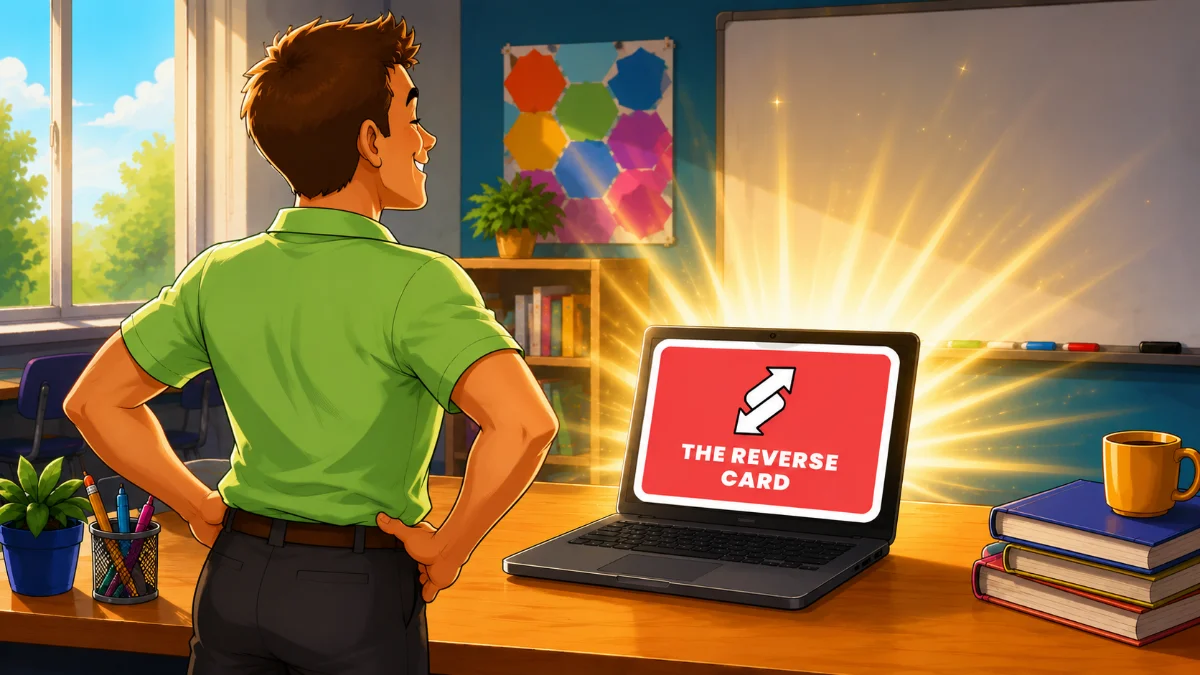
There's a psychological phenomenon called the IKEA Effect. We tend to value something more when we helped create it ourselves.
When I taught 5th grade, I enjoyed designing my own classroom materials, like worksheets, posters, and games. My classroom was full of resources I had created. Looking back, I don't think my materials were necessarily better than what someone else could have made. But they were mine.
The same was true of lessons. If I had a hand in creating the lesson, I taught it better. I knew why each part was there. I was more invested. More excited. More willing to tweak it until it worked.
The same thing happens with vibe coding.
Teacher Hive is full of apps you can use right away. If you need a timer, randomizer, spinner, or hundreds of other tools, someone has likely already built one, ready for you to use immediately.
So if everything you need already exists, why bother building anything yourself?
Whether you're creating your own version of an existing tool or bringing a completely original idea to life, you're far more likely to value and appreciate something you helped build.
Building an app can be fun, frustrating, and incredibly satisfying. When AI doesn't quite understand your prompt, you revise it. When something breaks, you figure it out. When it finally works, it feels like an accomplishment because you pushed through the struggle.
Then comes the best part: using it.
One app I've built is The Reverse Card. It's a goofy brain break with a colorful card game theme. Players draw a random word or phrase, try to say it backwards, and then the app reverses the recording so everyone can hear how close they came. The results are equal parts creepy and hilarious. Teachers can even enter their own words or phrases, making it work with any subject.

1 Comment
Agree with this Tony. Mirrors what we want the students to do to. Let them replicate the learning in class and make it their own.
Sign in to leave a comment.